
Die casting is an efficient metal manufacturing process that produces complex, dimensionally consistent components by injecting molten metal into precision-engineered molds under high pressure.
At Runze, we provide customized die casting solutions tailored to your part design, material requirements, functional specifications, and production volume. Our integrated manufacturing services help streamline your supply chain while delivering durable components with excellent repeatability, detailed features, and reduced machining requirements.
Our die casting capabilities support the production of complex metal components with consistent quality, repeatable dimensions, and efficient cycle times. From mold design and casting to secondary machining and finishing, we help turn your designs into production-ready parts.
High-pressure die casting is suitable for producing complex metal components with thin walls, detailed geometries, and consistent dimensions at scale.
1.Materials:Aluminum alloys, zinc alloys, and other suitable die casting alloys
2.Advantages:High production efficiency, excellent repeatability, and good surface detail
3.Applications:Housings, brackets, connectors, and structural components
We support custom mold and tooling development based on your part drawings, 3D models, and production requirements.
1.Custom mold design and engineering review
2.Mold feasibility assessment based on part geometry
3.Tooling solutions tailored to production volume and budget
4.Design-for-manufacturing recommendations
Secondary machining helps achieve critical dimensions, precise interfaces, and functional features that require tighter tolerances than the as-cast condition can provide.
1.Drilling, tapping, milling, and precision machining
2.Machining of mounting holes and mating surfaces
3.Deburring and edge finishing
4.Custom secondary operations based on drawings
We offer finishing and assembly options to improve appearance, corrosion resistance, and functional performance according to your application requirements.
1.Powder coating and wet painting
2.Anodizing for suitable aluminum components
3.Plating and other specified surface treatments
4.Component assembly and packaging
Material selection plays a critical role in die casting performance, dimensional stability, weight, and cost. We help customers select suitable alloys based on part geometry, mechanical requirements, operating environment, and production volume.
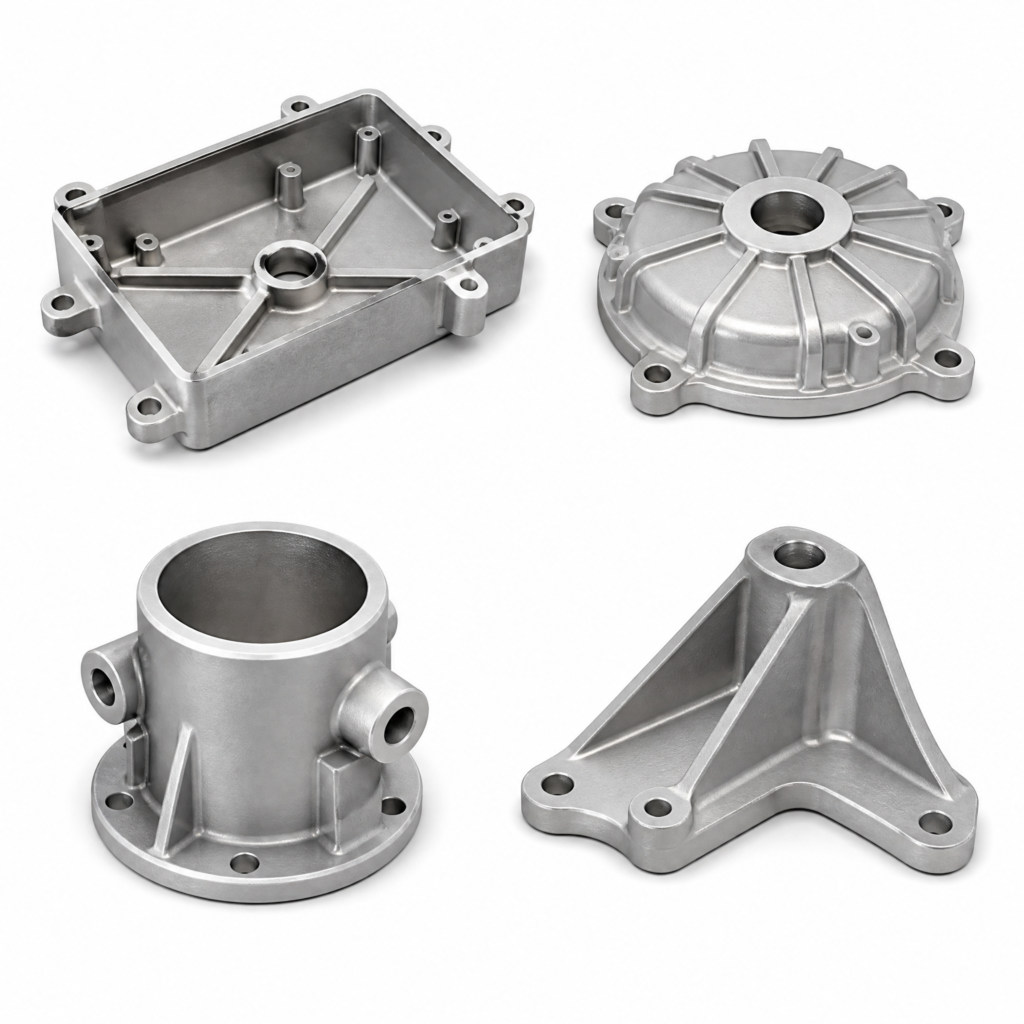
Common options include ADC12 and A380, subject to project requirements and material availability.
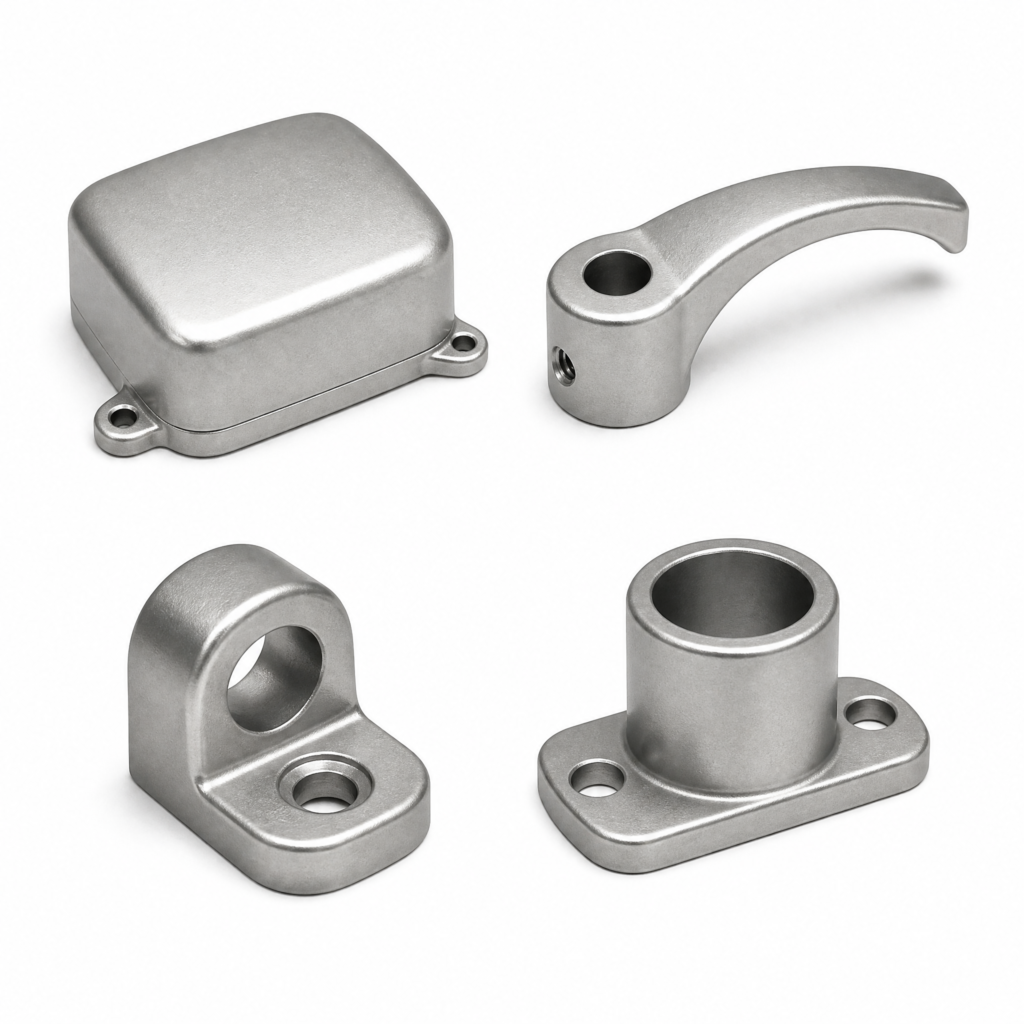
Common options include Zamak 3 and Zamak 5, depending on required properties and specifications.
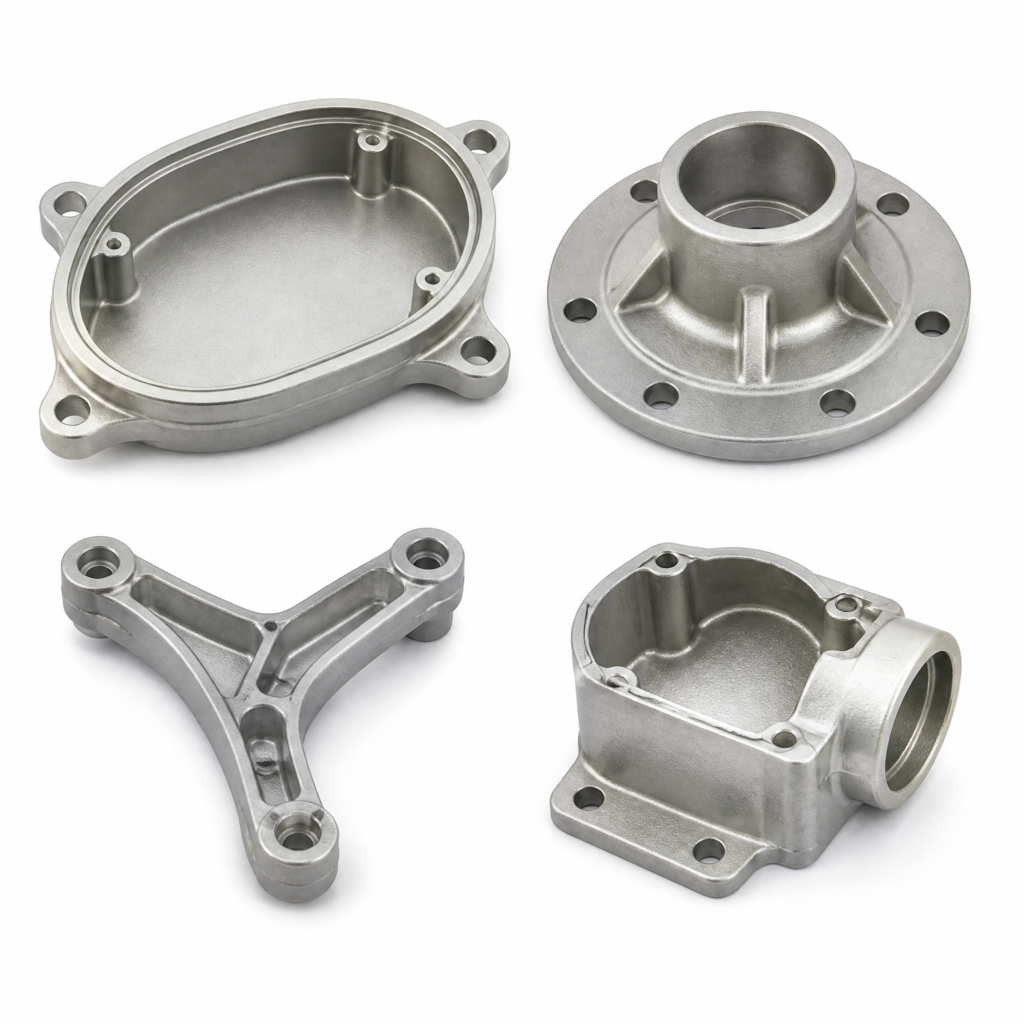
Additional alloy options may be evaluated according to your project specifications, tooling requirements, and manufacturing feasibility.
Our team can review your drawings and recommend a suitable material for your application.
Quality and consistency are essential for reliable die cast components. We evaluate part geometry, tooling design, material properties, and secondary machining requirements to establish appropriate quality criteria for each project.
Critical dimensions checked against approved drawings
Production parameters monitored according to project requirements
Surface defects and casting appearance evaluated against agreed acceptance criteria
Machined features verified against specified tolerances
Inspection plans tailored to prototypes and batch production
Tolerances are determined by part geometry, alloy, casting process, and whether dimensions are measured in the as-cast or machined condition. Project-specific inspection requirements can be confirmed during the engineering review.
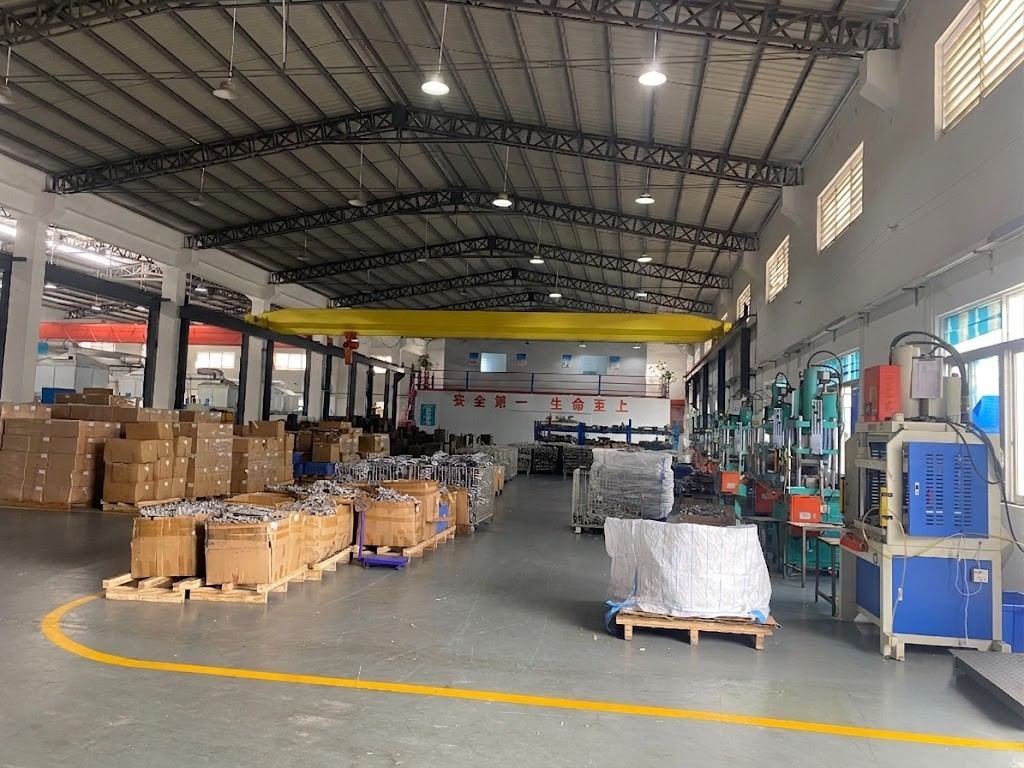
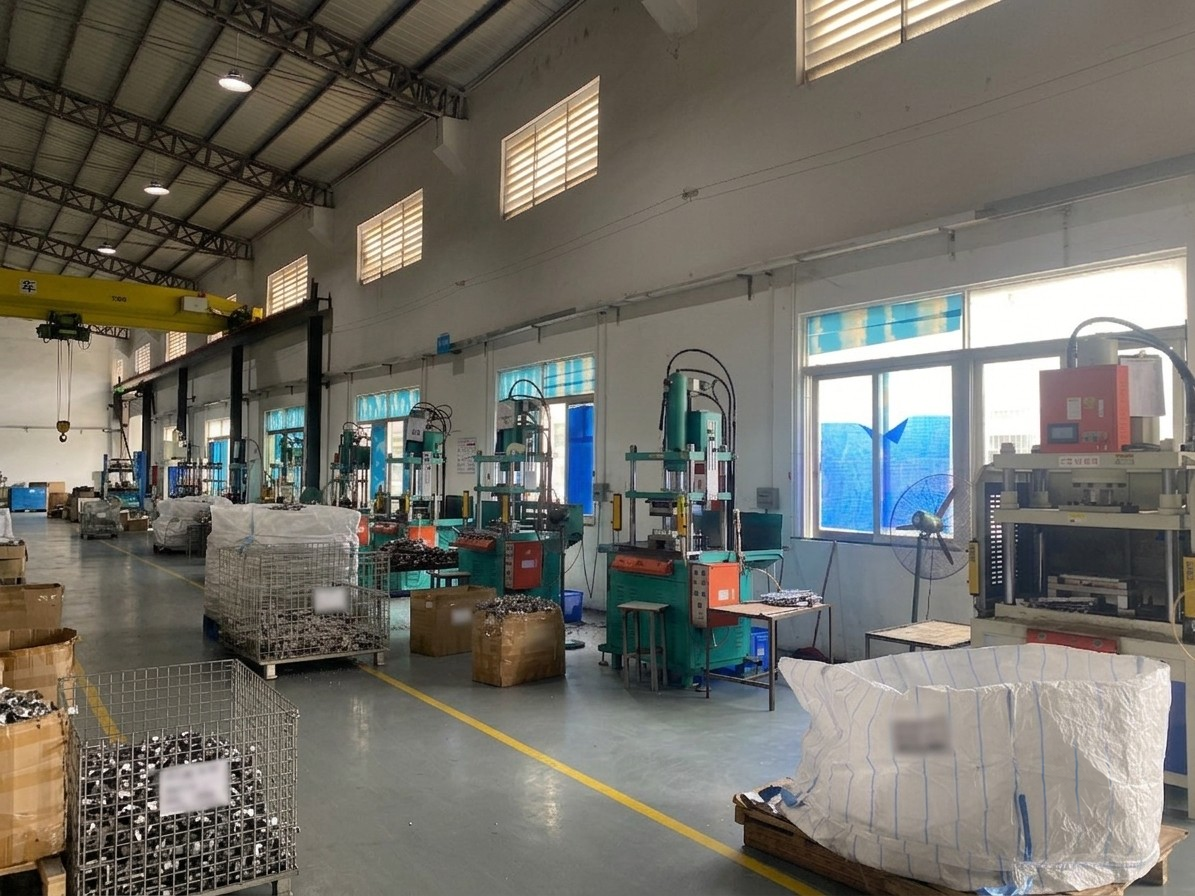
We offer surface finishing solutions for die cast components to meet functional, environmental, and aesthetic requirements. Available treatments depend on the alloy, surface condition, and intended application.
Our team can help evaluate suitable finishing methods based on corrosion resistance, appearance, dimensional requirements, and target cost.
We follow a structured workflow to help customers move from initial design to reliable production.
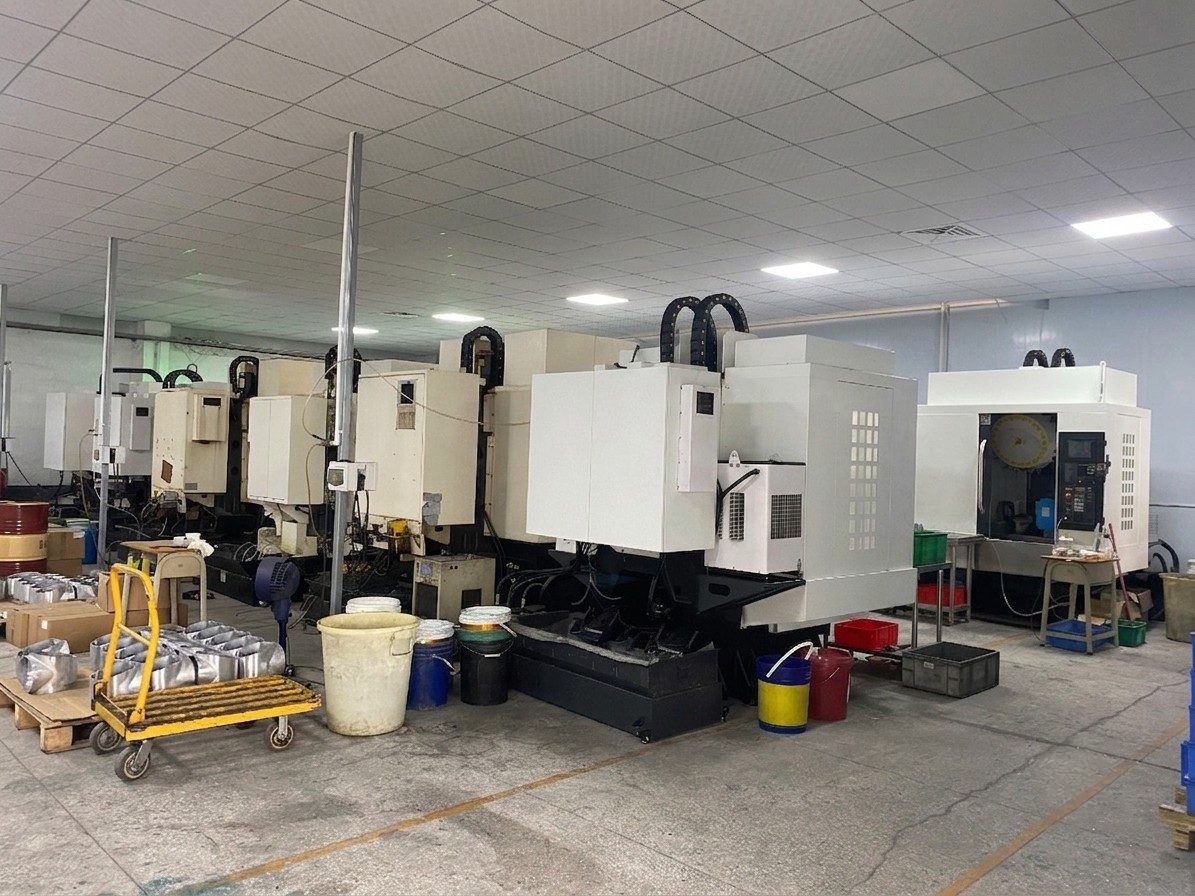
Runze supports OEM and ODM customers with integrated metal manufacturing solutions designed around their product requirements.
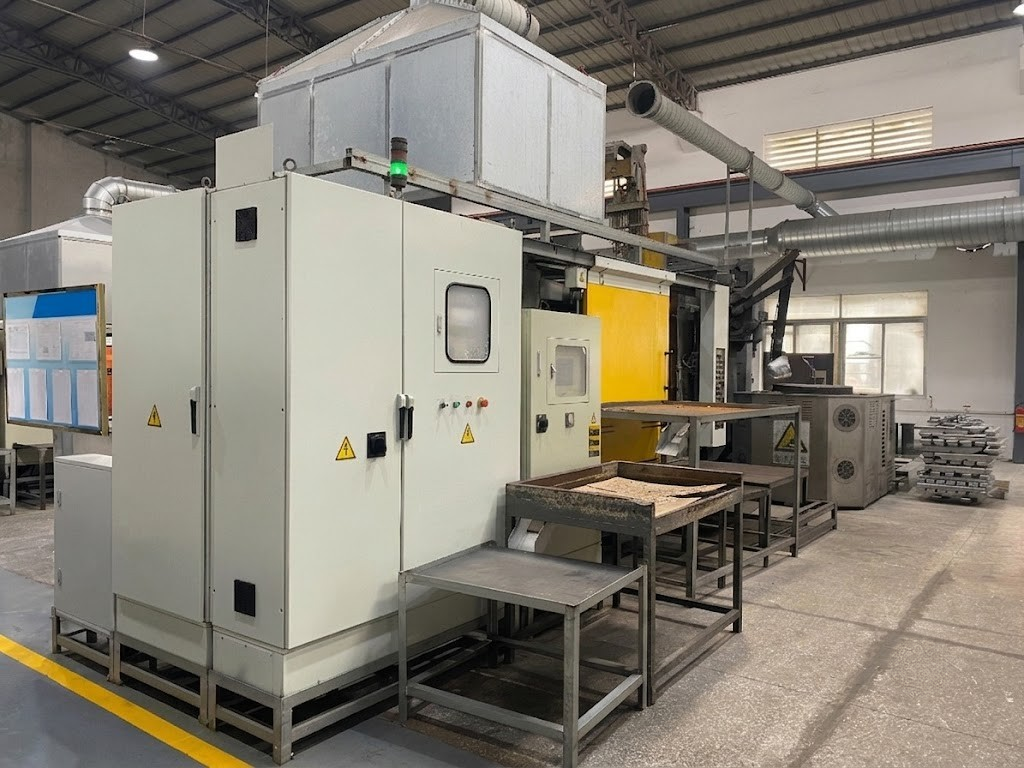
Die casting is a metal manufacturing process in which molten metal is injected into a reusable mold under pressure to produce components with detailed geometries and consistent dimensions. It is widely used for medium- to high-volume production.
Aluminum and zinc alloys are common choices. The appropriate alloy depends on the component's strength, weight, thermal performance, surface finish, and operating environment.
Yes. We support custom OEM and ODM projects based on customer drawings, 3D models, technical specifications, and production requirements.
Tooling requirements can be evaluated based on the part design, material, expected production volume, and manufacturing feasibility. Tooling scope and cost are confirmed during quotation.
Yes. Secondary CNC machining can be used for critical holes, threaded features, mounting interfaces, and other dimensions that require additional precision.
Depending on the alloy and application, options may include powder coating, painting, plating, polishing, blasting, and other specified surface treatments.
Please provide your 2D drawings or 3D CAD files, material requirements, estimated order quantity, surface finish, critical tolerances, and target delivery schedule. Our team can then review the project and prepare a quotation based on the available information.
Project feasibility, sampling requirements, and production quantities can be reviewed according to your design and tooling plan. Contact us to discuss the most suitable approach for your project.
Send the project details below for drawing review and quotation planning.